The FDA’s 2025 draft guidance on non-opioid analgesics represents a watershed moment for clinical practice, particularly in the realm of topical therapeutic solutions. Released in September 2025, this comprehensive framework signals a fundamental shift in how regulatory bodies approach non-opioid development, with profound implications for healthcare providers utilizing topical formulations in their practices.
As practitioners increasingly seek evidence-based alternatives to traditional approaches, understanding these regulatory trends becomes essential for delivering optimal patient outcomes. Here are seven key trends from the FDA’s 2025 guidelines that are reshaping how clinicians approach topical therapeutic solutions.
Trend 1: Mechanism-Based Therapeutic Framework
The FDA’s new guidance introduces a mechanism-based approach that moves beyond condition-specific approvals. This shift allows topical formulations to target shared neurological pathways rather than requiring separate approvals for each specific condition.
For clinicians, this means greater flexibility in utilizing topical solutions across multiple applications. Instead of being limited to narrow indications, healthcare providers can now consider how specific active ingredients interact with the endocannabinoid system and other neurological pathways to provide targeted relief.

Clinical Impact:
- Broader application potential for existing topical formulations
- Reduced barriers for multi-condition treatment protocols
- Enhanced understanding of ingredient mechanisms of action
This mechanism-based framework particularly benefits advanced topical formulations that leverage multiple pathways, such as those incorporating cannabinoid compounds with supporting botanical ingredients. Clinicians can now approach treatment from a more comprehensive neurological wellness perspective rather than symptom-specific targeting.
Trend 2: Enhanced Trial Design Standards for Topical Solutions
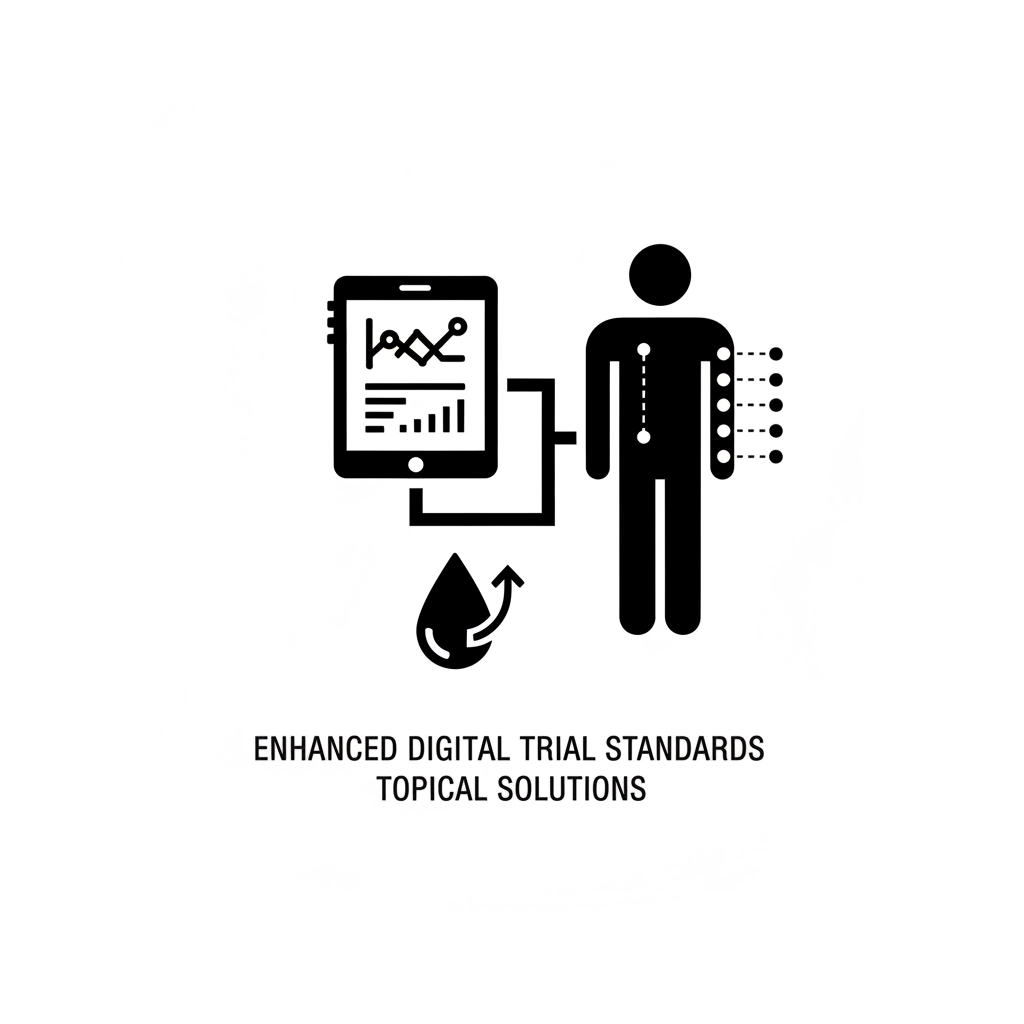
The 2025 guidelines encourage innovative trial methodologies that better reflect real-world clinical application. This includes adaptive study designs, pragmatic trials, and the integration of digital health technologies for monitoring topical therapeutic outcomes.
These enhanced standards recognize that topical applications require different evaluation metrics than systemic treatments. Factors such as absorption rates, localized effects, and patient compliance with application protocols become central to demonstrating efficacy.
Key Considerations for Practitioners:
- Patient-reported outcome measures for topical applications
- Standardized application techniques for consistent results
- Integration of digital monitoring tools for treatment tracking
- Documentation of localized versus systemic effects
For clinics utilizing professional-grade topical formulations, these enhanced standards provide clearer frameworks for documenting treatment outcomes and adjusting protocols based on patient response.
Trend 3: Opioid Reduction Integration Requirements
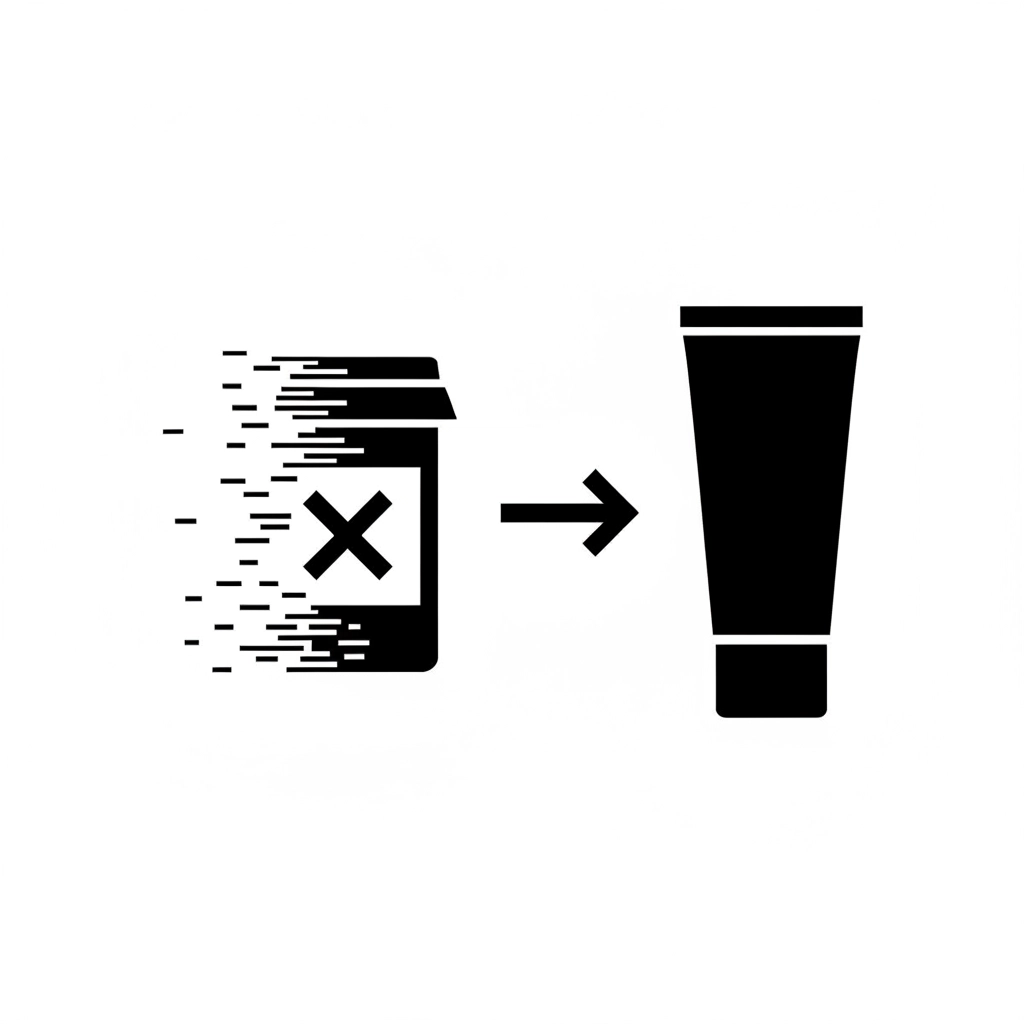
Perhaps the most significant trend is the FDA’s explicit focus on demonstrating how non-opioid solutions can help patients avoid, eliminate, or reduce traditional interventions while maintaining or improving comfort levels.
This requirement directly aligns with clinical practice goals of providing effective relief without the complications associated with systemic medications. Topical formulations, with their localized action and reduced systemic exposure, are particularly well-positioned to meet these criteria.
Documentation Requirements:
- Clear protocols for transitioning patients to non-opioid approaches
- Measurement of comfort improvement without systemic intervention
- Patient satisfaction metrics related to mobility and function
- Long-term outcome tracking for sustained relief
Clinicians utilizing advanced topical solutions should establish comprehensive documentation systems that demonstrate both immediate comfort improvement and long-term functional benefits.
Trend 4: Patient-Centered Outcome Measurements
The 2025 guidelines emphasize patient-reported outcomes that go beyond traditional measures. For topical applications, this includes functional improvements such as enhanced mobility, better sleep quality, and improved daily activity participation.
This trend recognizes that effective topical therapy should demonstrate measurable improvements in quality of life metrics, not just temporary symptom relief. Healthcare providers must now consider the broader impact of topical treatments on patient wellness and functionality.
Assessment Categories:
- Mobility and range of motion improvements
- Sleep quality enhancement
- Daily activity participation levels
- Patient satisfaction with application experience
- Time to noticeable comfort improvement
Professional-grade topical formulations that provide rapid absorption and sustained relief are particularly valuable in meeting these comprehensive outcome requirements.
Trend 5: Expedited Review Pathways for Non-Opioid Solutions
The FDA’s 2025 framework establishes expedited review programs for non-opioid treatments that demonstrate clear potential for reducing reliance on traditional approaches. This creates opportunities for innovative topical formulations to reach clinical practice more rapidly.
For healthcare providers, this trend suggests increased availability of advanced topical solutions with stronger regulatory backing. The expedited pathway particularly benefits formulations that combine multiple therapeutic mechanisms or utilize novel delivery systems.
Characteristics Supporting Expedited Review:
- Novel delivery mechanisms (nanoemulsion, transdermal systems)
- Multi-pathway therapeutic action
- Demonstrated safety profiles with minimal systemic exposure
- Clear differentiation from existing topical options
Clinicians should stay informed about newly approved topical formulations emerging through these expedited pathways, as they often represent significant advances in therapeutic efficacy.
Trend 6: Digital Health Technology Integration
The 2025 guidelines encourage the integration of digital health technologies for monitoring treatment outcomes and optimizing therapeutic protocols. For topical applications, this includes mobile applications for tracking application compliance, symptom improvement, and functional outcomes.
This technological integration allows for more precise treatment protocols and better patient engagement in their care process. Healthcare providers can utilize digital tools to optimize application timing, dosage, and frequency based on real-time patient feedback.
Digital Integration Applications:
- Patient compliance tracking for topical application schedules
- Symptom progression monitoring through mobile interfaces
- Telemedicine consultations for treatment protocol adjustments
- Data analytics for optimizing individual patient protocols
Advanced topical formulations that integrate with digital health platforms provide clinicians with valuable data for personalizing treatment approaches and demonstrating regulatory compliance.
Trend 7: Expanded Population Diversity Requirements
The final trend emphasizes the importance of diverse trial populations and real-world evidence generation. This includes studying topical therapeutic effectiveness across different age groups, activity levels, and comorbidity profiles.
For clinical practice, this trend ensures that topical solutions have demonstrated effectiveness across the diverse patient populations that healthcare providers serve daily. It also emphasizes the importance of considering individual patient factors when selecting topical therapeutic approaches.

Population Considerations:
- Age-related absorption and efficacy variations
- Activity level impacts on topical application effectiveness
- Skin condition factors affecting penetration and comfort
- Comorbidity interactions with topical therapeutic mechanisms
Healthcare providers should consider these population diversity factors when selecting topical formulations and developing individualized treatment protocols.
Implementing Regulatory-Compliant Topical Protocols
The FDA’s 2025 guidelines provide a roadmap for implementing evidence-based topical therapeutic protocols in clinical practice. Success requires understanding both the regulatory framework and the practical application of advanced topical formulations.
Key implementation strategies include establishing standardized application protocols, maintaining comprehensive outcome documentation, and staying current with regulatory updates that may affect topical therapy options.
For healthcare providers seeking to integrate these regulatory trends into practice, partnering with manufacturers who prioritize compliance and scientific validation becomes essential. Advanced topical formulations that meet these evolving regulatory standards provide the foundation for successful clinical protocols.
Moving Forward with Regulatory-Aligned Practice
The FDA’s 2025 guidelines represent more than regulatory requirements: they provide a framework for delivering superior patient outcomes through evidence-based topical therapeutic approaches. These seven trends collectively point toward a future where non-opioid topical solutions play an increasingly central role in comprehensive patient care.
Whether you’re a physical therapist, chiropractor, or medical supplier, understanding these regulatory trends enables you to make informed decisions about topical therapeutic integration. The emphasis on mechanism-based approaches, patient-centered outcomes, and digital integration creates opportunities for enhanced patient care through scientifically validated topical solutions.
As the regulatory landscape continues evolving, staying informed about these trends ensures your practice remains at the forefront of safe, effective, and compliant therapeutic approaches. The future of topical therapeutics lies in combining regulatory compliance with innovative formulations that deliver measurable patient benefits( exactly what today’s healthcare environment demands.)